

Blog
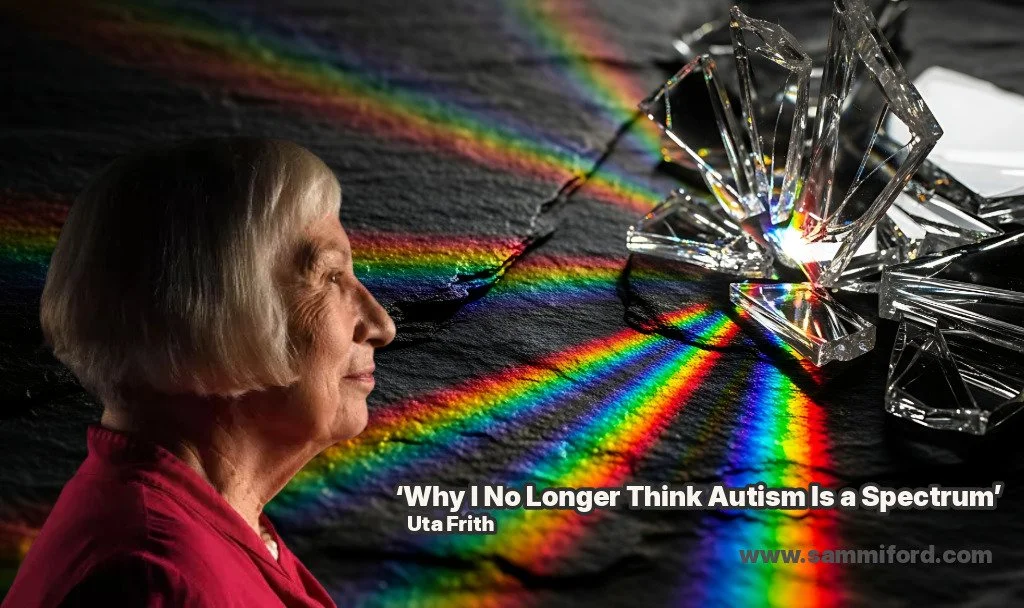
Uta Firth’s controversial takes – and why I agree with some of them as a late-diagnosed autistic woman.
Even as a late-diagnosed neurodivergent autistic woman with ADHD, I agree with much of Uta Frith's recent controversial TES article, with reservations. Frith’s recent TES article, ‘Why I No Longer Think Autism Is a Spectrum’, argues that autism’s spectrum of diagnostic criteria has become too accommodating. At first glance, it’s dismissive. However, reading deeper into the article, Frith is making some valid points that I would also argue.
Online Fraud Is Rising With the Use of Artificial Intelligence and It Has a Disproportionate Impact on Those With Neurodivergence
It can’t be denied that the rise of neurodiversity awareness is a positive thing, but with the rate of fraud and online scams also rising, the impact on neurodivergent individuals is now considered to be more severe than that on neurotypicals. According to the National Crime Agency, fraud is the most prevalent crime against individuals, accounting for about 41% of all crime in the Crime Survey for England and Wales in 2024, which is astonishing if one considers that most fraud is still unreported due to feeling of shame.
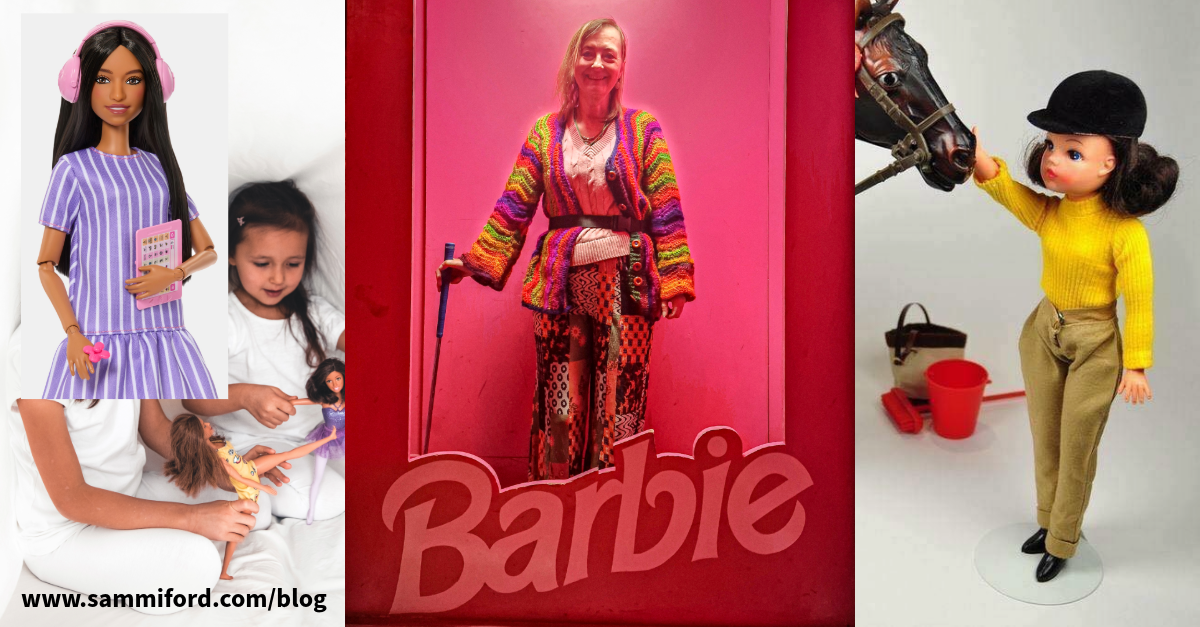
The Autistic Barbie: Representation, Responsibility, and the Problem of “One Size Fits All”.
Mattel’s 2025 release of an autistic Barbie doll has been widely celebrated as a milestone for inclusion. A global brand, a mainstream toy, and a condition that has long lived somewhere between stigma, misunderstanding, and silence. On the surface, it feels like progress. But as with most things involving autism and neurodivergence, the reality is more complicated.
I didn’t have a Barbie growing up in the 70s. I didn’t identify with her, and frankly, she felt too American. Instead, I had Sindy: rounder-faced, British, and at one point famously accompanied by a very British horse and riding gear. Sindy felt closer to real life. Barbie, on the other hand, was pink, polished, and eventually ubiquitous.
Mattel’s new release is identified as autistic largely through accessories: ear defenders, sensory tools, predictable routines. That raises an immediate question: does autism live in the person, or in the supports around them?